
Media
This space highlights how our ideas resonate beyond our own platforms. Here you’ll find articles, interviews, speeches, and features that capture our work in action—sharing lessons from the field, reflections on current socio-political developments and international affairs, and stories of collaboration across regions and sectors.
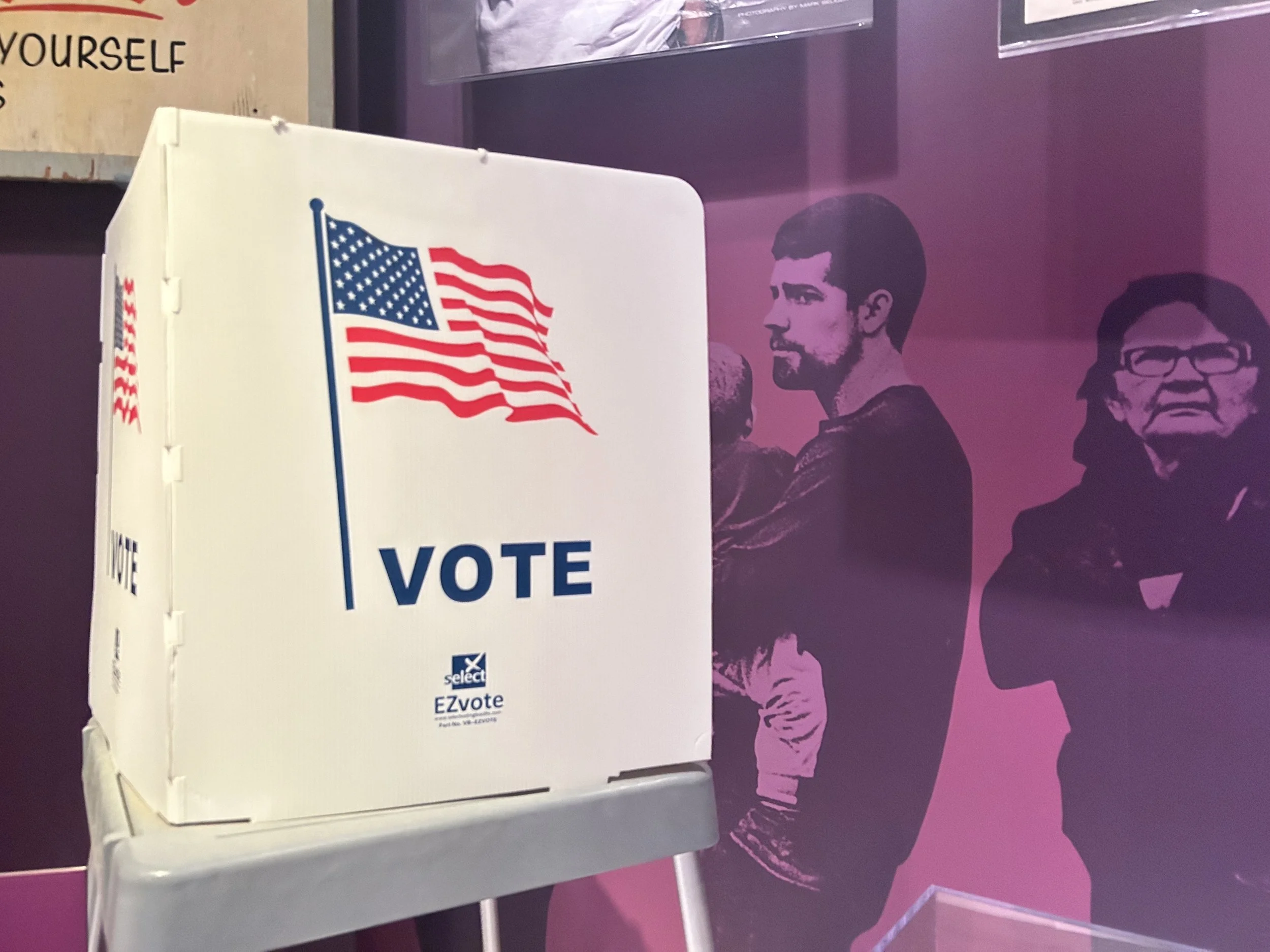
The New Fight Over Election Observation
Authoritarian governments are turning sovereignty into a shield against scrutiny—and Washington is finding its own, quieter way to sidestep the same standards. As a member of the Organization for Security and Cooperation in Europe (OSCE), the U.S. has signed the foundational agreement committing all participating states to open elections to external scrutiny and inviting fellow members to observe through the Office for Democratic Institutions and Human Rights (ODIHR). The 2024 ODIHR observation mission to the U.S. found the fundamentals reassuring—a well-run process, active engagement, free campaigning—but issued 31 recommendations to align U.S. elections with international standards and commitments.
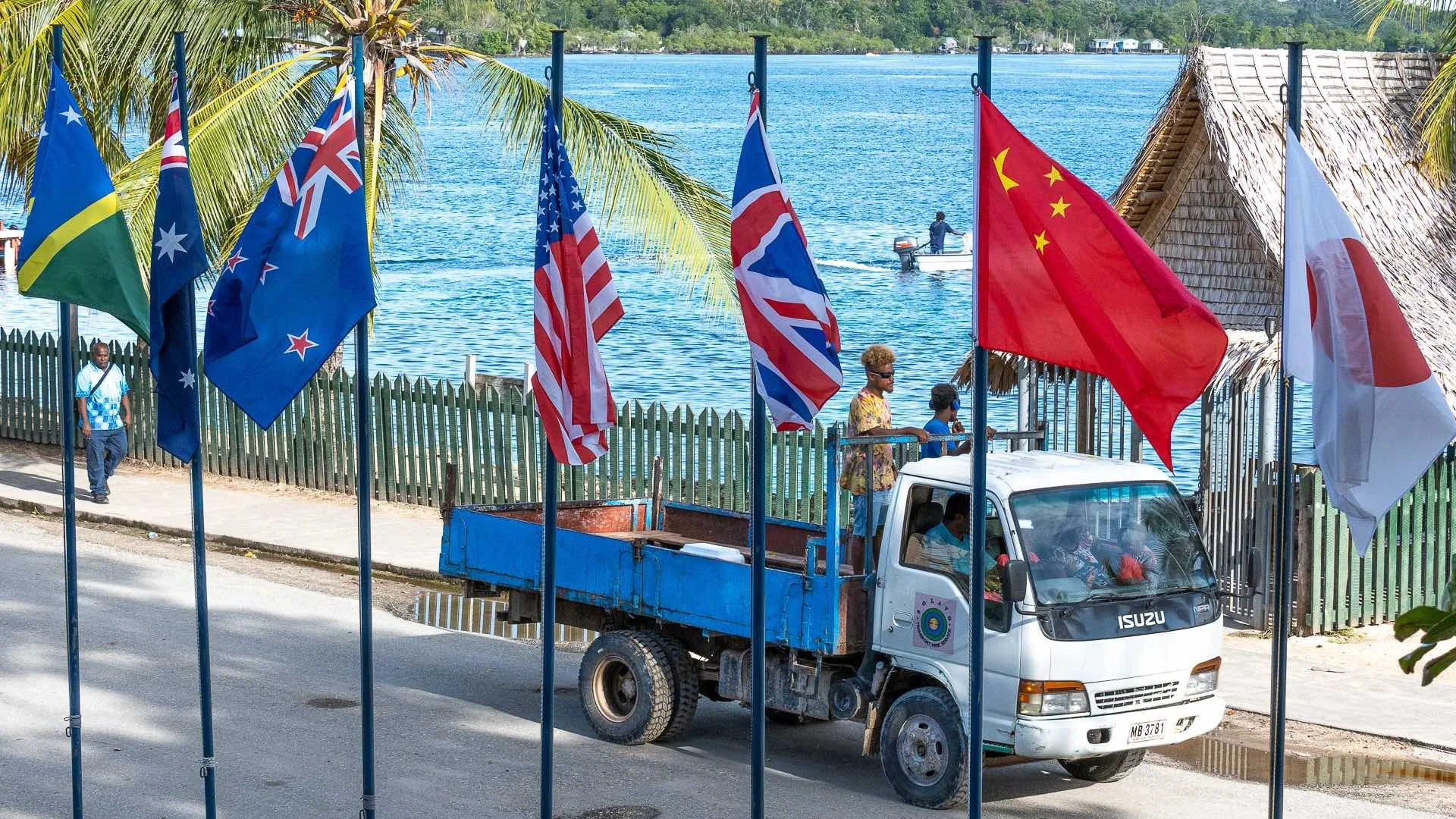
As the International Order Collapses, Emerging Democracies Have an Opportunity
The old rules-based, global order has been pronounced dead, according to some analysts. For emerging democracies, the question is not whether the old order can be brought back but whether those countries will adapt strategically—or drift into negotiated constraints that will gradually erode their autonomy. Yet even in this shifting order, emerging democracies are not merely subjects of change. Those that act with strategic clarity, political coherence, and institutional discipline can still shape the terms of their engagement rather than simply absorb the consequences.

Navigating the New Manospheres of Influence: Strategies for Women Leaders in Defence, Security, and International Affairs
A pattern is emerging that defense and foreign policy practitioners can no longer afford to ignore: the geopolitics of gender backlash. What might be called the new manospheres of influence—digitally enabled, algorithmically amplified networks of misogynistic mobilization—are increasingly intersecting with security discourse, election integrity debates, and geopolitical competition. This is a structural shift in how power is contested, legitimacy is framed, and foreign influence is exercised. For women leaders in defense, security, and international affairs, understanding these dynamics is essential for strategic resilience.

When Rivals Converge: Electoral Influence Beyond the Cold War
A recent report issued by Republican staff members on the U.S. House Judiciary Committee, which focused on alleged European censorship practices, cited Romania as a case study of aggressive EU overreach, referencing investigations into the far-right candidate’s campaign financing and the annulment decision. In doing so, elements within the U.S. political system appeared to align rhetorically with Moscow’s framing of the episode as an example of EU elite suppression rather than Russian interference.

The Weaponization of Foreign Electoral Interference Claims
The Weaponization of Foreign Electoral Interference Claims—Democracies need conceptual literacy as a defence—clearer distinctions among goals, legality, tactics, and actors—requiring public education investments across media, parties, election administrations, and security systems to prevent "foreign influence" from becoming an all-purpose destabilisation weapon.
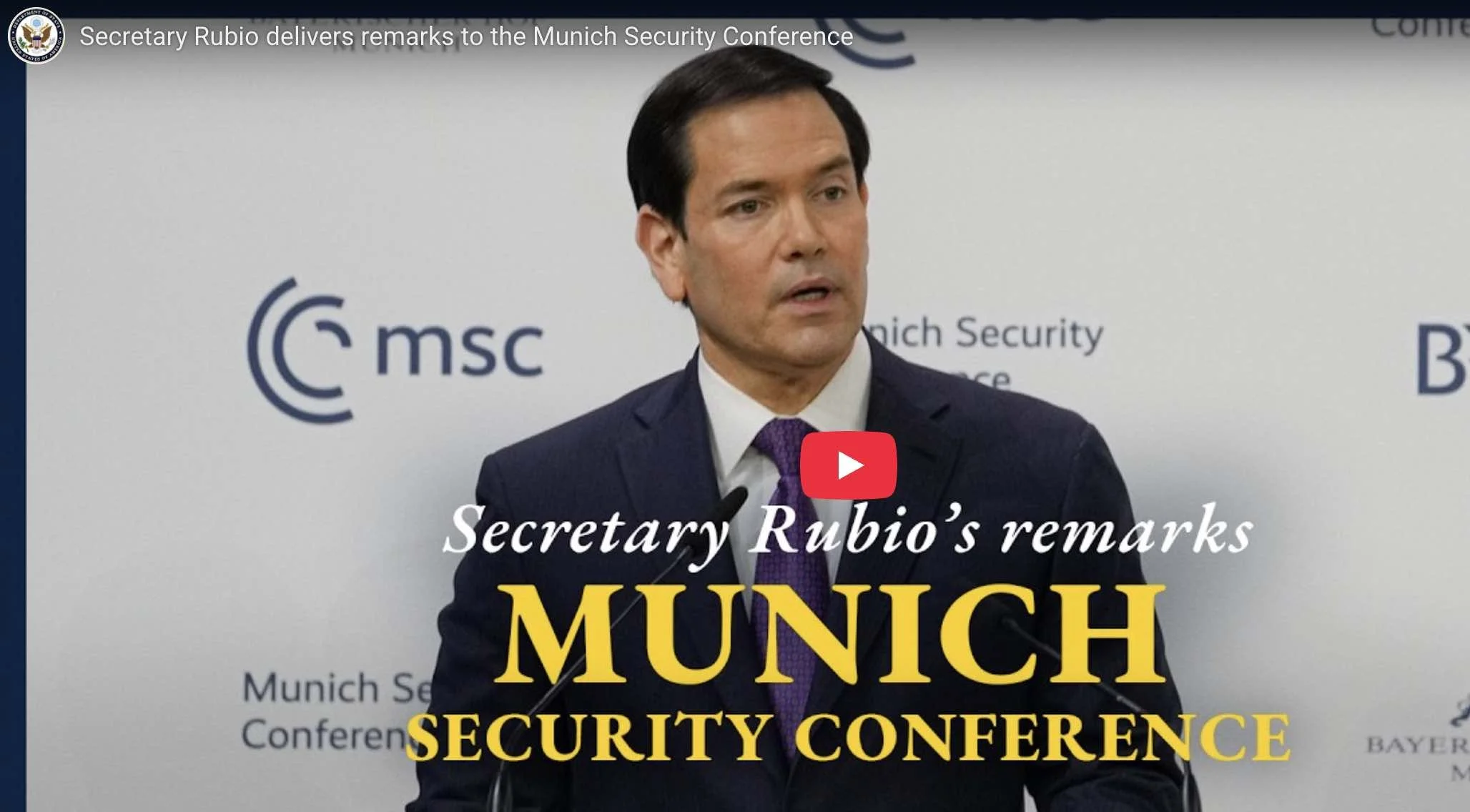
The prodigal son and nostalgia for empires: Rubio's speech in Munich
At the 2026 Munich Security Conference, U.S. Secretary of State Marco Rubio invoked a shared civilizational heritage and the idea of a renewed strategic partnership. But nostalgia for past empires doesn’t translate into constructive leadership today. Rubio’s speech was framed as a call for unity and strength, yet the emotional appeal to historical grandeur glosses over the lessons of Europe’s own turbulent past, where empire and force brought division as much as cohesion.
Courage in Davos, cap in hand in Beijing?
Middle powers such as Canada increasingly face a strategic dilemma: speak boldly about democratic principles in global forums, yet negotiate bilateral compromises that undermine collective credibility. Canadian PM’s recent speech at Davos — advocating “if you’re not at the table, you’re on the menu” — resonated because it voiced a real concern. But rhetoric alone won’t shift geopolitical dynamics.

Why We Can No Longer Afford to Hide in History’s Cellar: If You’re Not at the Table, You’re on the Menu
As global pressures intensify — from great-power competition to economic and social strains — international cooperation is being redefined through the lens of direct national benefit. This shift raises uncomfortable dilemmas: how far states should compromise values for economic gain, and what long-term risks accompany pragmatic bargains with unstable or authoritarian partners. For developing and transitional democracies, the central warning is clear: passivity is no longer a viable strategy. Waiting for external solutions or guarantees of stability invites vulnerability. In a world shaped by leverage and negotiation, agency belongs to those willing to claim a seat at the table. Those who do not risk becoming objects of others’ decisions rather than participants in shaping their own future.
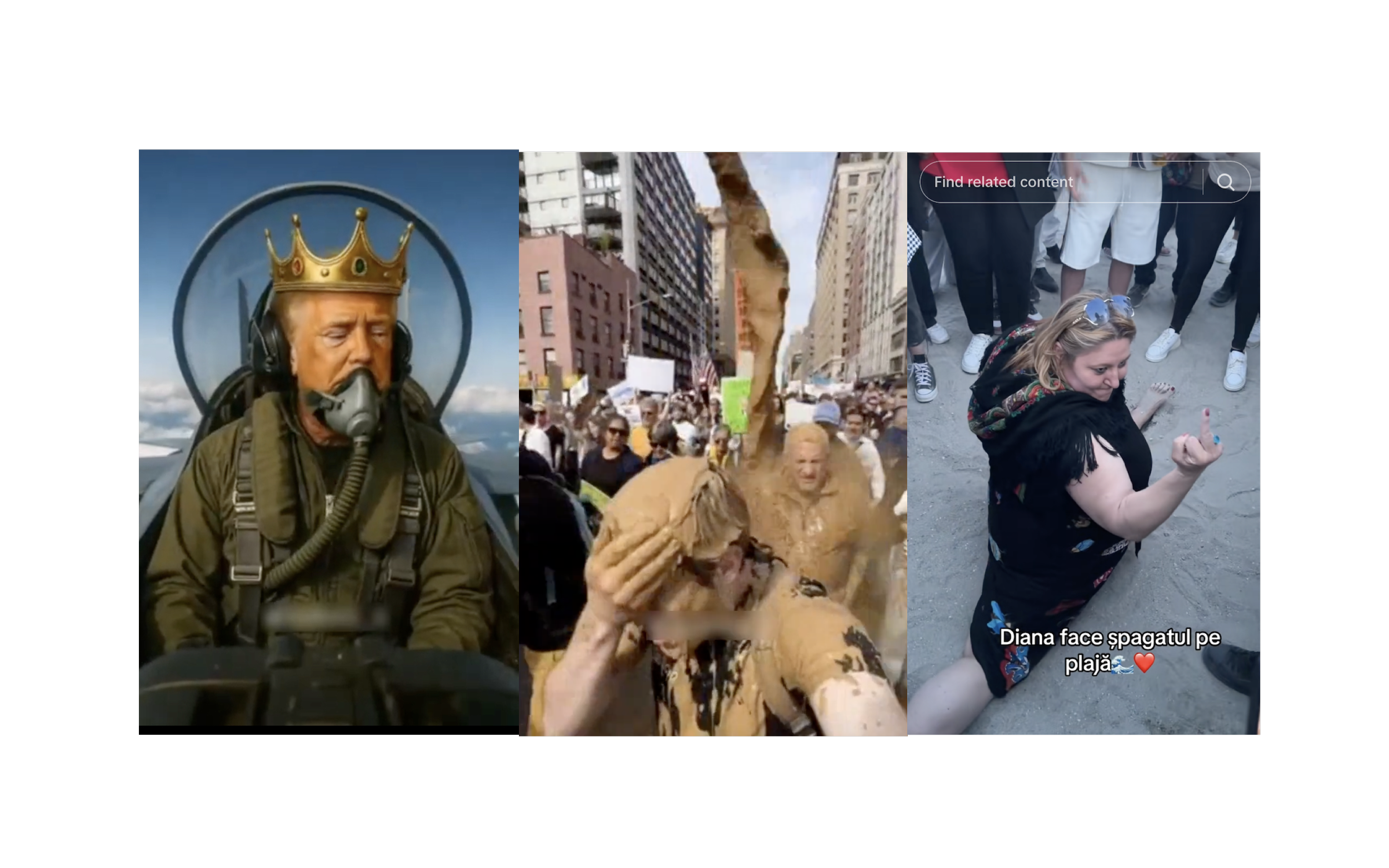
On Scatological Bullying—Laughing all the Way To the Polling Station?
Romania’s post-communist reforms, often imposed under external pressure,

How Russia tried to manipulate Moldova’s election – and what it reveals
Romania’s post-communist reforms, often imposed under external pressure,

Making the Case for Empathetic Governance in Romania
Romania’s post-communist reforms, often imposed under external pressure,
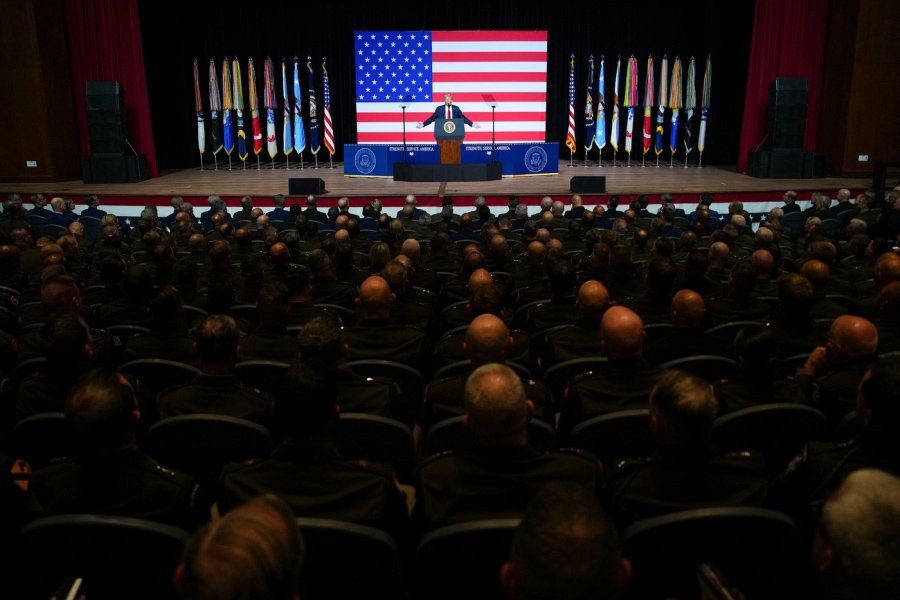
Too Cool for the Generals? President Trump and Secretary Hegseth Summon America’s Military Leadership
Romania’s post-communist reforms, often imposed under external pressure,

Guinea: Africa’s “most Australian country” heads to the polls
Guinea’s 2025 constitutional referendum risks entrenching military rule under General Doumbouya